Our Approach

Since 2024, we have been gradually laying the foundations for a systematic sustainability strategy and effective sustainability management, both as the global Doppelherz brand and as Queisser Pharma. We are establishing robust data processes and progressively involving our European subsidiaries. In doing so, we have begun to develop the key foundations for our sustainability strategy.
This included, in particular, collecting relevant data and gaining an initial overview of existing structures, key performance indicators and material areas for action. Building on this work, we began to further develop our sustainability strategy in 2025. Going forward, it is intended to provide the framework for systematically identifying and developing material topics, key performance indicators and responsibilities across the areas of environment, social and governance. In doing so, we follow the internationally established ESG framework, which stands for Environmental, Social and Governance. This structure enables us to take a holistic view of sustainability and gradually integrate it more firmly into our business processes.
As we remain subject to the requirements of the Corporate Sustainability Reporting Directive (CSRD), we are preparing for mandatory sustainability reporting. Under Directive (EU) 2025/794, the start of our reporting obligation has been postponed from 2025 to the 2027 financial year. We are using this additional time to further structure our sustainability strategy, establish reliable data and gradually involve our European subsidiaries more closely in the process.
In this way, we are laying the foundations for reporting our progress more transparently in the future and managing sustainability in a more structured manner across the Group. Alongside our economic success, we also remain mindful of the social and environmental impacts of our activities.
What We Have Already Established
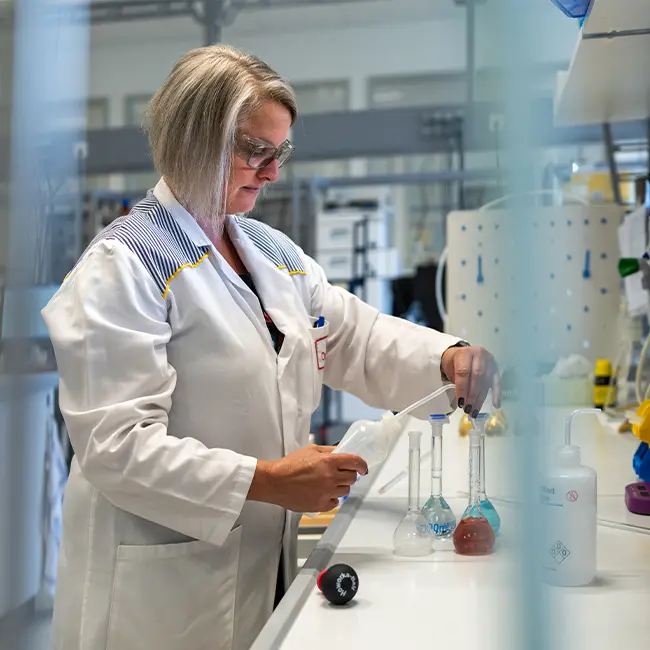
In addition, we already have established environmental management structures in place. Our DIN EN ISO 14001-certified environmental management system helps us systematically identify and assess relevant environmental aspects and derive appropriate improvement measures.
It also serves to systematically support compliance with environmental requirements and to continuously improve our environmental performance.
It also serves to systematically support compliance with environmental requirements and to continuously improve our environmental performance. Certification is site-specific, allowing the respective operational and local conditions to be taken into account. Our Flensburg site has been certified since 1997, while our logistics centre in Handewitt has been certified since 2018.
Our environmental management system is based, among other things, on our environmental policy guidelines, internal audits and external assessments. Environmental and sustainability-related topics are also incorporated into overarching management and continuous improvement processes. In this context, we consider both the finished product and the manufacturing process, while taking applicable legal requirements into account.
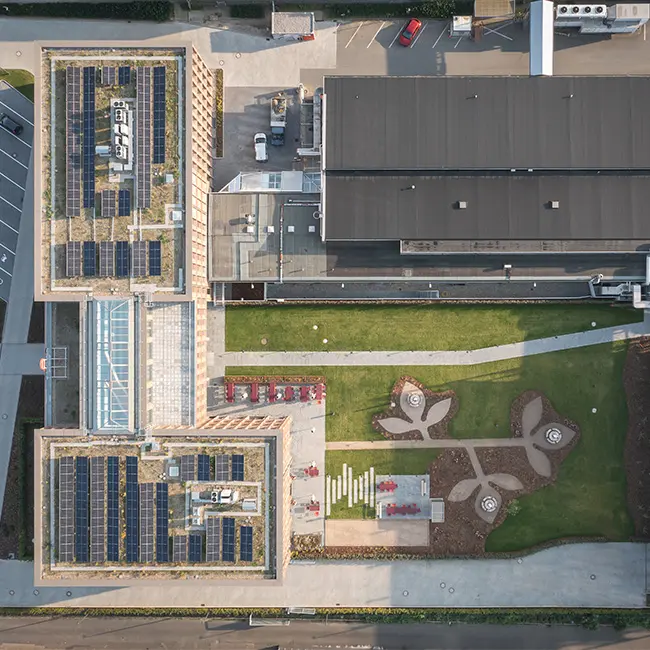
We also rely on renewable energy for our electricity supply. At our sites in Flensburg and Handewitt, we purchase green electricity from Stadtwerke Flensburg. Its origin for the period from 2025 to 2028 is documented by guarantees of origin for hydropower and registered in the German Environment Agency’s Guarantees of Origin Register. In addition, photovoltaic systems on our rooftops contribute to our own solar power generation.
Alongside environmental and sustainability considerations, reliable corporate processes are also an important part of our responsibility. This is reflected, among other things, in our Codes of Conduct for suppliers and employees, as well as in our whistleblower portal, which enables potential violations of rules and regulations to be reported confidentially. In this way, we are creating a solid foundation for continuous improvement and for communicating our progress more transparently in the future.
Our Next Steps
Together with our specialist departments and European subsidiaries, we are taking the next steps and further developing our sustainability management with concrete targets. For us, sustainability is not a fixed end state, but an ongoing process of continuous development.
For this reason, we regularly review our key topics, targets and measures and adapt them to new requirements, internal developments, as well as input from within the organisation and from external stakeholders.
We continue to develop our sustainability management in close collaboration with our specialist departments and European subsidiaries. Appropriate measures are being implemented step by step, responsibilities are being further defined, and key performance indicators are being developed to measure our progress. On this basis, we aim to communicate our progress more transparently in the future and, starting in 2028, report annually on the preceding financial year as part of our sustainability reporting. The timeline below provides an overview of the milestones we have achieved to date as well as our current status.
Development of Our Sustainability Strategy
2024

2025

Beginning of 2026

End of 2026

2028

Key Performance Indicators and Reporting
As part of our future sustainability strategy, we are gradually developing our data foundation, key performance indicators and reporting structures. Going forward, selected information and progress relating to relevant environmental, social and governance topics will be presented here in a more transparent manner.
This section is currently under development.